
E-commerce web design is the process of designing an online store that helps customers find products, trust your brand, and complete purchases with ease. It matters because a well‑designed e-commerce website directly impacts sales, customer experience, and long‑term business growth, especially in Australia’s competitive digital market.
Want to make your eCommerce website a lucrative platform for making more sales? Collaborate with a reputable web design agency in Australia that creates eCommerce websites tailored to the needs of Australians.
Understanding E-commerce Web Design
E-commerce web design focuses on how an online store looks, feels, and functions, blending visual design, user experience, and technical structure into one cohesive system. When paired with E-commerce Website Development Services in Australia, this approach ensures online stores are built not only to look appealing but also to perform reliably in a competitive local market. Unlike regular websites, e-commerce sites must guide users from discovery to checkout, where every design choice affects conversions, trust, and repeat customers. Key areas include layout, navigation, product pages, and checkout flow, as effective design removes friction and helps buyers make faster, more confident decisions.
How E-commerce Design Differs From Regular Websites
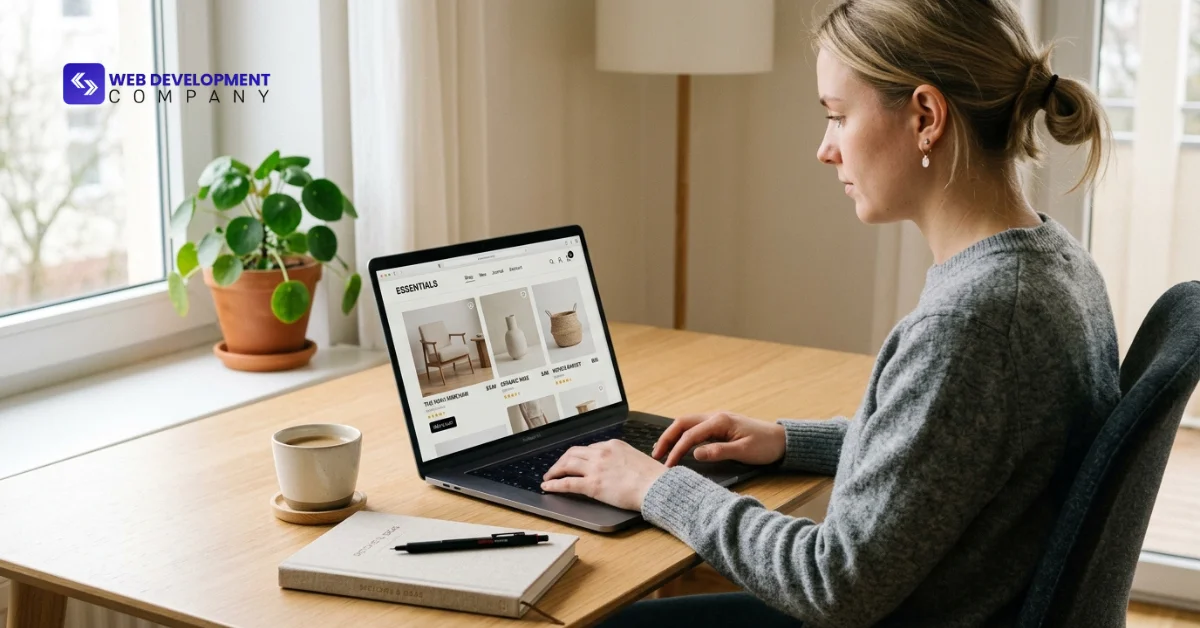
A standard business website offers information, whereas an e-commerce website sells products and manages payments. The difference is not just visual — it runs far deeper than appearances alone.
It includes deeper technical and behavioral considerations.
|
Aspect
|
Regular Website
|
Ecommerce Website
|
| Purpose | Inform or educate | Sell products |
| User flow | Simple navigation | Conversion‑focused |
| Features | Contact forms | Cart, checkout, payments |
| Performance needs | Moderate | High under traffic |
This makes e-commerce design more complex and more valuable when done right.
Why E-commerce Web Design Matters for Australian Businesses
Australians shop online more than ever, and local buyers expect speed, trust, and simplicity. If your store feels dated or confusing, customers leave fast and often shop with competitors within seconds. A strong ecommerce design helps local brands compete nationally and globally, building credibility, especially for small and mid-size businesses. Good design supports mobile users, regional shoppers, and urban buyers alike, ensuring no customer is left behind.
The Role of User Experience in E-commerce
User experience, or UX, shapes how customers interact with your store, influencing how long they stay and whether they buy. Clear navigation helps users find products quickly, while logical layouts reduce decision fatigue. Good UX design focuses on buyer intent rather than guesswork, anticipating what users need at each step of their journey.
Core UX elements include:
- Clear product categories
- Search and filtering
- Simple checkout steps
- Easy account access
When UX feels natural, sales rise without pushing users.
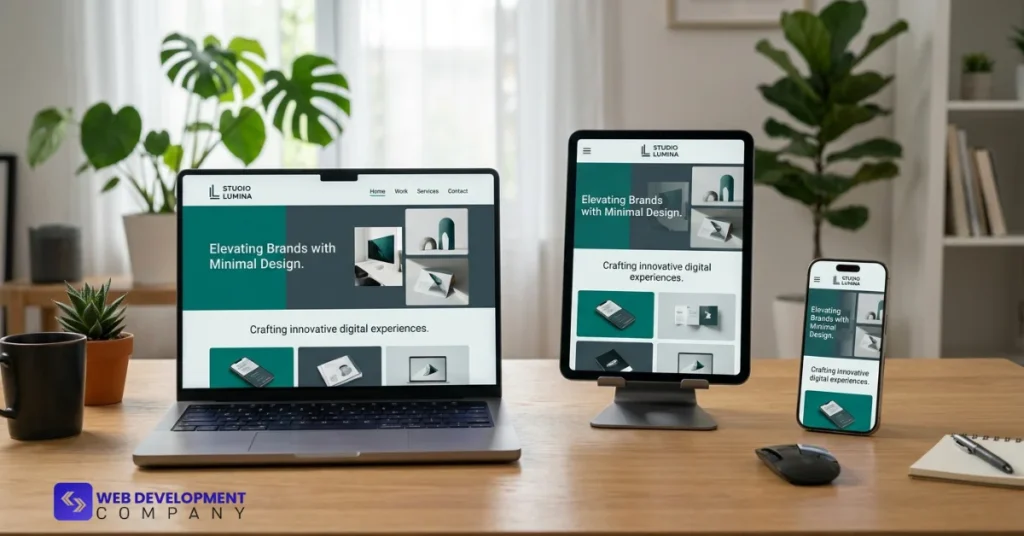
Mobile‑First Design for Modern Shoppers
Most Australian shoppers browse on mobile first, meaning designing only for desktop no longer works. Mobile-first ecommerce design prioritizes speed and thumb-friendly layouts, where buttons must be easy to tap and text easy to read. Product images must load fast without losing quality, and checkout forms must be kept short and simple. A mobile-optimized store not only reduces bounce rates and abandonment but also improves SEO and Google rankings.
Page Speed and Performance Impact Sales
Slow ecommerce websites lose money, and even a one-second delay can reduce conversions. Fast design includes optimized images and clean code, supported by strong hosting and caching strategies. Performance matters even more during sales periods and promotions, as Australian customers expect smooth browsing during peak times. Speed also affects search engine visibility, as Google favors fast, user-friendly stores.
E-commerce Web Design and SEO Connection
Design and SEO work together, not separately. A well‑designed store helps search engines crawl and rank pages.
SEO‑friendly ecommerce design includes:
- Clean URL structures
- Clear site hierarchy
- Optimized product pages
- Internal linking strategy
Designers must plan with keywords and intent in mind, as this supports long-term organic traffic growth. A strong on-page structure further improves user engagement and keeps visitors on your site longer.
Trust Signals That Influence Online Buyers
Design plays a major role in trust, as customers judge credibility within seconds. Clear branding, professional visuals, and consistency build confidence, while trust badges and easy contact access further reinforce reliability.
Important trust design elements include:
- Secure payment icons
- Customer reviews
- Clear return policies
- Australian contact details
Trust reduces hesitation and increases completed checkouts.
Checkout Design and Cart Optimization
Checkout is where most sales are lost, as poor design creates friction and confusion. A good checkout experience removes unnecessary steps, keeping users focused and reassured throughout the process.
Effective checkout design includes:
- Guest checkout option
- Minimal form fields
- Clear pricing and shipping
- Multiple payment choices
When checkout feels easy, customers finish buying.
Accessibility and Inclusive Design
Accessible ecommerce design serves more users, supporting people with disabilities and different needs. Clear contrast, readable fonts, keyboard navigation, and screen reader compatibility all play an important role. Accessibility also improves usability for all shoppers, reducing frustration and strengthening brand perception. Australian businesses stand to benefit greatly from embracing inclusive digital design standards.
Branding Consistency Across the Store
Design communicates your brand voice, and inconsistent visuals confuse and weaken trust. Colors, fonts, and imagery must align across pages to create a familiar and professional experience. Strong branding helps customers remember you while also setting you apart in crowded markets. Consistent design is the key to building long-term loyalty.
Localised Ecommerce Design for Australia
Local design connects better with Aussie shoppers. It reflects local language, behavior, and expectations.
Examples include:
- AUD pricing
- Local shipping options
- Familiar payment methods
- Australian spelling and tone
Local relevance improves engagement and conversion rates. It also improves trust and support for inquiries.
Scalability and Future‑Ready Design
Ecommerce design should grow with your business, supporting new products and traffic increases along the way. Scalable design avoids complete rebuilds later, saving both time and development costs. Future-ready stores support integrations and marketing tools, including analytics, email, and CRM systems. Smart design planning is the foundation of long-term success.
When to Invest in Professional Ecommerce Design
DIY templates may suffice for the first stages of testing, but rarely work as expected on larger scales. With increasing traffic, problems with designs come to the fore and impact conversion rates. Collaboration with professionals guarantees that you will be implementing a well-thought-out strategy rather than just guessing what would work. For any growing brand, e-commerce design is an investment, not just a cost.
Choosing the Right E-commerce Design Partner
It may not be true that all designers have knowledge about e-commerce strategies, and this makes it essential to see past the visuals. The right partner should know about conversions, SEOs, and how users behave. Instead of keeping up with the latest trends, the partner should prioritize performance. When you plan for future growth, think about getting specialized help.
Final Thoughts on E-commerce Web Design
Web design for e-commerce can determine how your business is perceived by potential clients, influencing your sales and reputation. Design is now a requirement rather than an option for businesses in Australia, which means that design helps you grow not just now but in the future too. If design benefits users and search engines alike, then your store will be successful.
FAQ
1. What does e-commerce web design include?
E-commerce web design includes everything needed to create a functional and user‑friendly online store. This covers the site layout, product pages, navigation, mobile optimization, checkout flow, and visual branding. The goal is to make it easy for customers to browse products, trust the store, and complete purchases without confusion.
2. Why is e-commerce web design important for online sales?
E-commerce web design is important because it directly affects how customers shop on your website. A clean and easy‑to‑use design helps users find products faster, feel confident in your brand, and check out smoothly. Poor design often leads to abandoned carts and missed sales, even if the products are good.
3. How much does e-commerce web design cost in Australia?
The cost of e-commerce web design in Australia depends on the size and complexity of the store. A basic online shop may cost a few thousand dollars, while a custom e-commerce website with advanced features can cost significantly more. Factors include design quality, platform choice, number of products, and custom functionality.
4. What platform is best for an e-commerce website design?
The best e-commerce website design platform depends on your business needs. Shopify is popular for ease of use, WooCommerce works well for WordPress users, and custom platforms suit larger or complex stores. A good platform should support mobile users, secure payments, SEO, and future growth for Australian businesses.
5. How long does it take to design an e-commerce website?
Designing an e-commerce website usually takes between 4 and 10 weeks. Simple stores take less time, while custom designs with advanced features take longer. The timeline depends on design approvals, content readiness, product setup, and testing before launch.